Retail
Trends that transform retail
Retail is undergoing a reinvention: from being simple points of sale, it has become spaces for experience, brand, and community. Commercial premises are transformed into strategic assets that maximize their real estate value, generate a direct connection with the consumer, and reinforce the competitiveness of brands.
A comprehensive approach to the future of education
In retail, design and construction determine the capacity of a space to attract, excite, and convert customers.
The key is to combine brand identity, speed of implementation, and immersive experience to transform each location into a competitive and profitable asset.
Main Types of Retail
Street-level premises (High Street Retail)
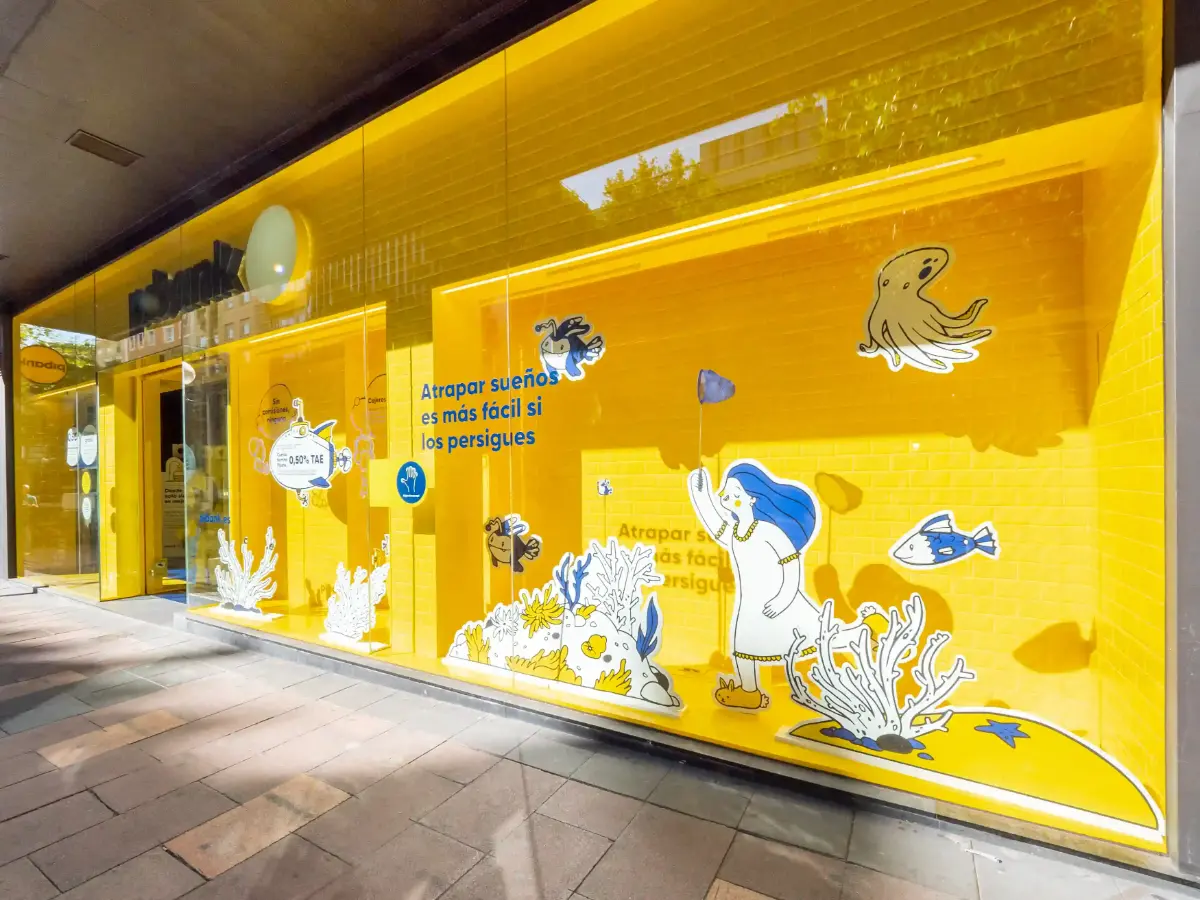
Spaces in prime locations that require fast and highly visible construction, with representative finishes and precise adaptation to the brand image.
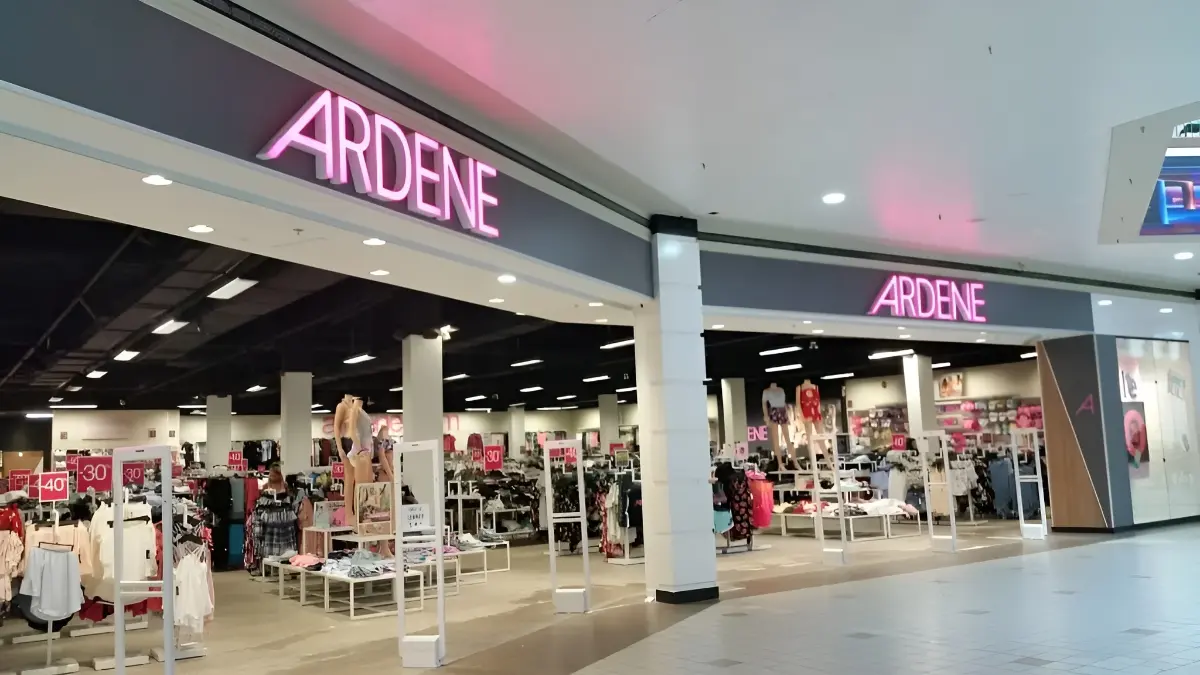
Premises in shopping centers
Implementations with specific technical and regulatory conditions, where coordination with the center's management and opening deadlines are key to the project's success.
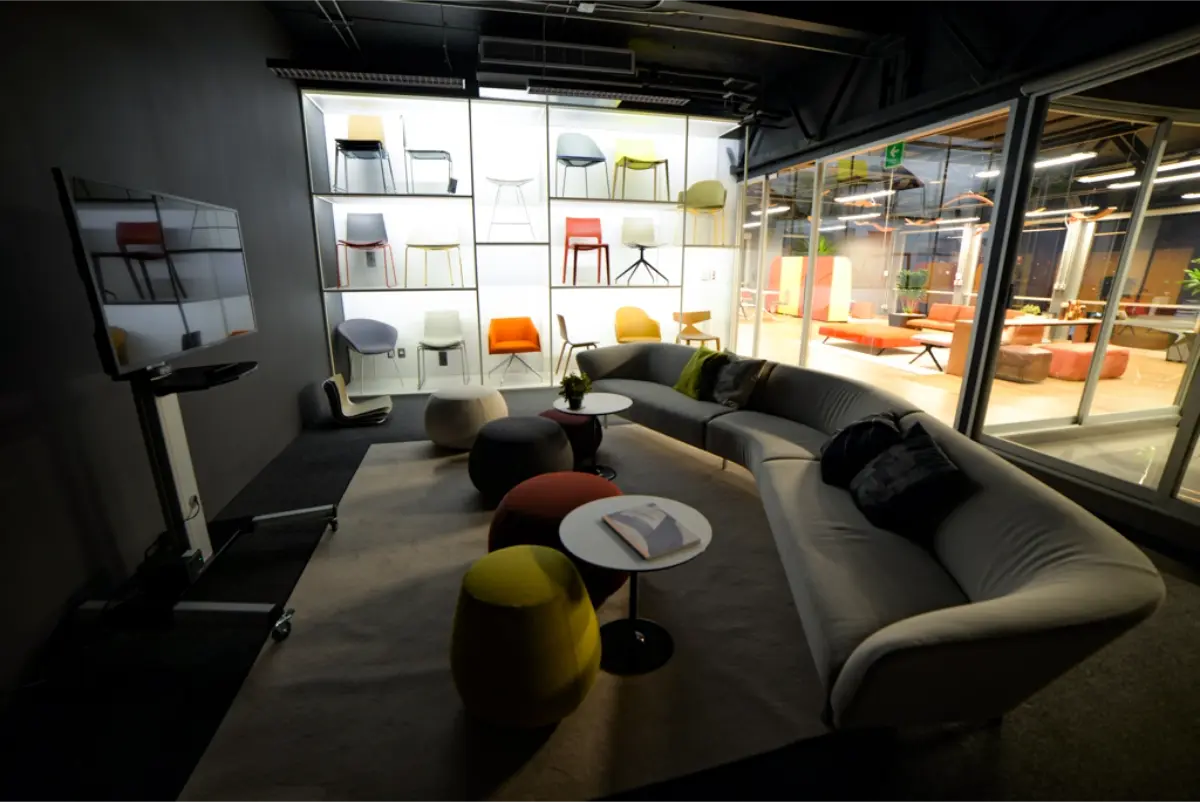
Flagship Stores and Concept Stores
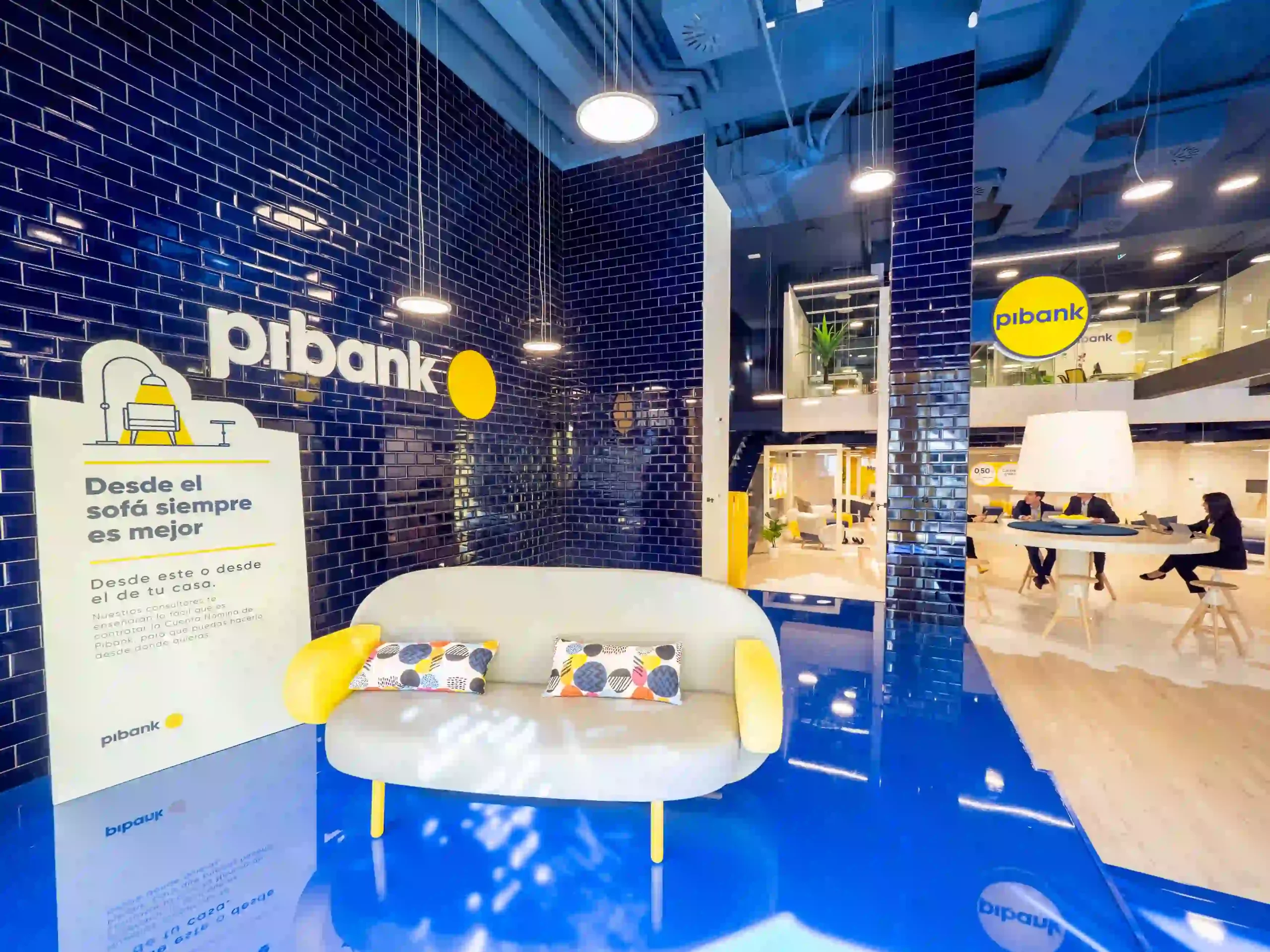
Flagship stores that combine differential design, unique construction solutions, and technological integration to generate immersive experiences that reinforce the brand's positioning.
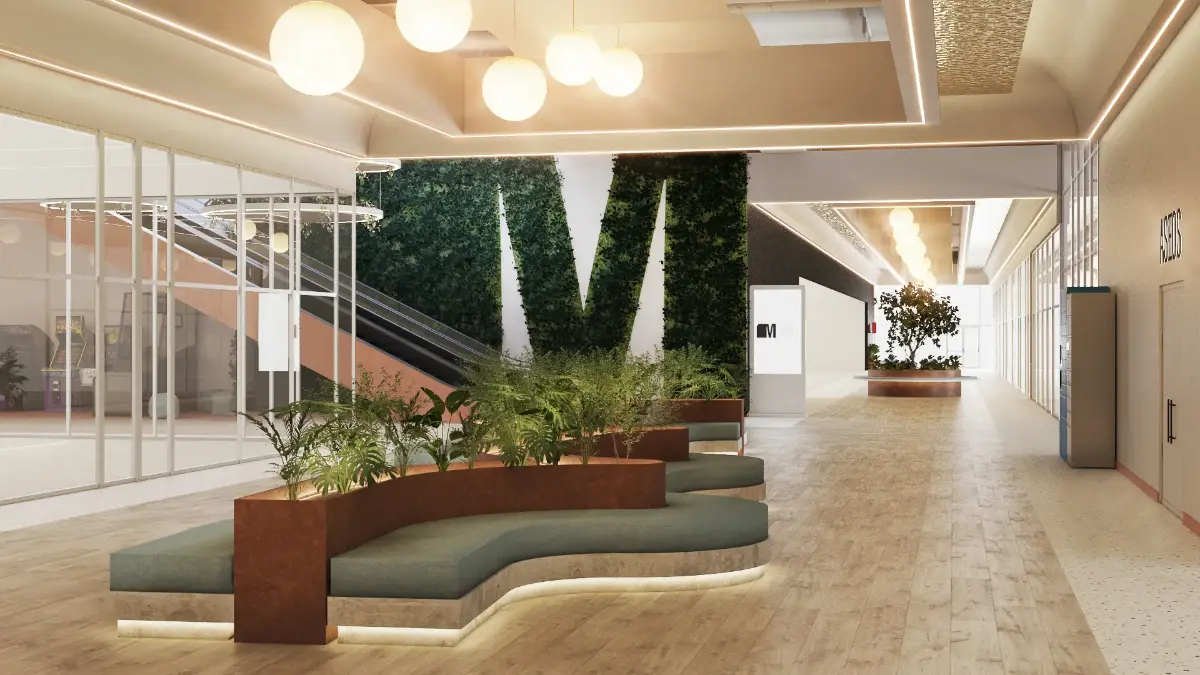
Common areas in retail
Shared areas such as corridors, accesses, escalators, restrooms, or rest areas. Their construction must guarantee fluid circulation, safety, and resistance to intensive use, in addition to a careful image that reinforces the customer experience and the value of the asset.
Expertise in
Retail Spaces
Interior Design of Retail Spaces
Flagships and concept stores
Iconic environments that reinforce brand identity and generate unique experiences.
Modular and flexible premises
Designed to adapt to different seasons, campaigns, and strategies.
Customer-centered design
Lighting, routes, and finishes that enhance the shopping experience.
Technological integration
Interactive screens, digital signage, and intelligent management systems.
Sustainable spaces
Selection of eco-responsible materials and energy efficiency solutions.
Construction and Project Management of Retail Spaces
Fast-track implementations
Execution in tight deadlines that allow for rapid openings without sacrificing quality.
Custom carpentry and furniture
Counters, displays, and other elements that must be aligned with the brand's visual identity.
Installation integration
Air conditioning, accent LED lighting, data, security, and audiovisual systems designed to create immersive experiences and attract customers.
High-resistance finishes and simple maintenance
High-traffic flooring, washable coatings, and robust furniture that withstands continuous use
Net-zero premises
Integration of renewable energies, acoustic insulation, and energy efficiency systems.