Laboratories
Trends that transform laboratories
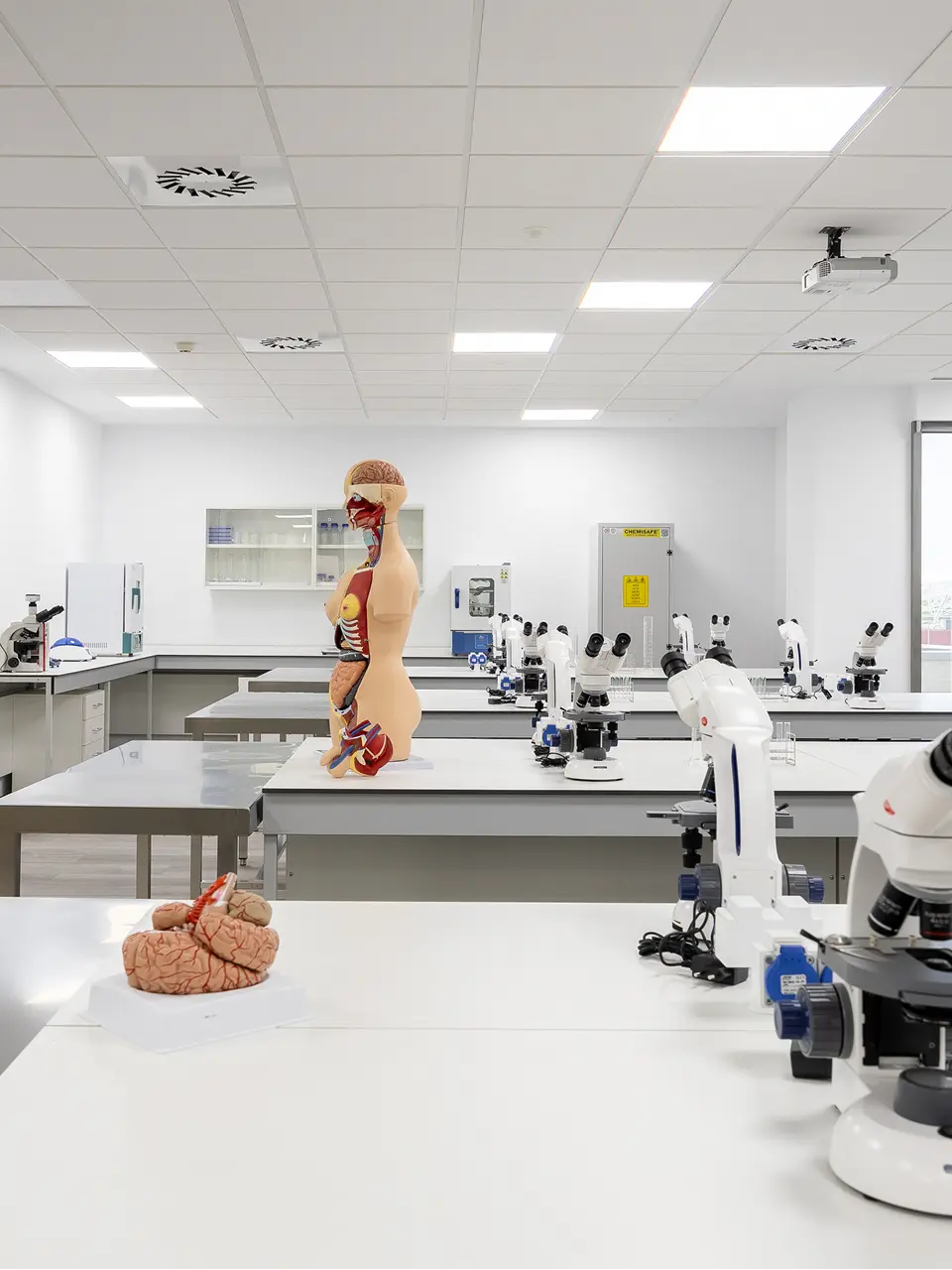
Laboratories have evolved beyond being physical spaces: they have become strategic infrastructures for research, production, and scientific innovation. The design and construction of this type of facility require technical precision, regulatory compliance, and adaptability to critical environments.
A comprehensive approach for the future of laboratories
The design and construction of scientific laboratories require combining technical specialization, safety, and sustainability.
Only in this way is it possible to create infrastructures that guarantee regulatory compliance and operational efficiency, ensuring global competitiveness in international scientific hubs.
Main Types of Laboratories
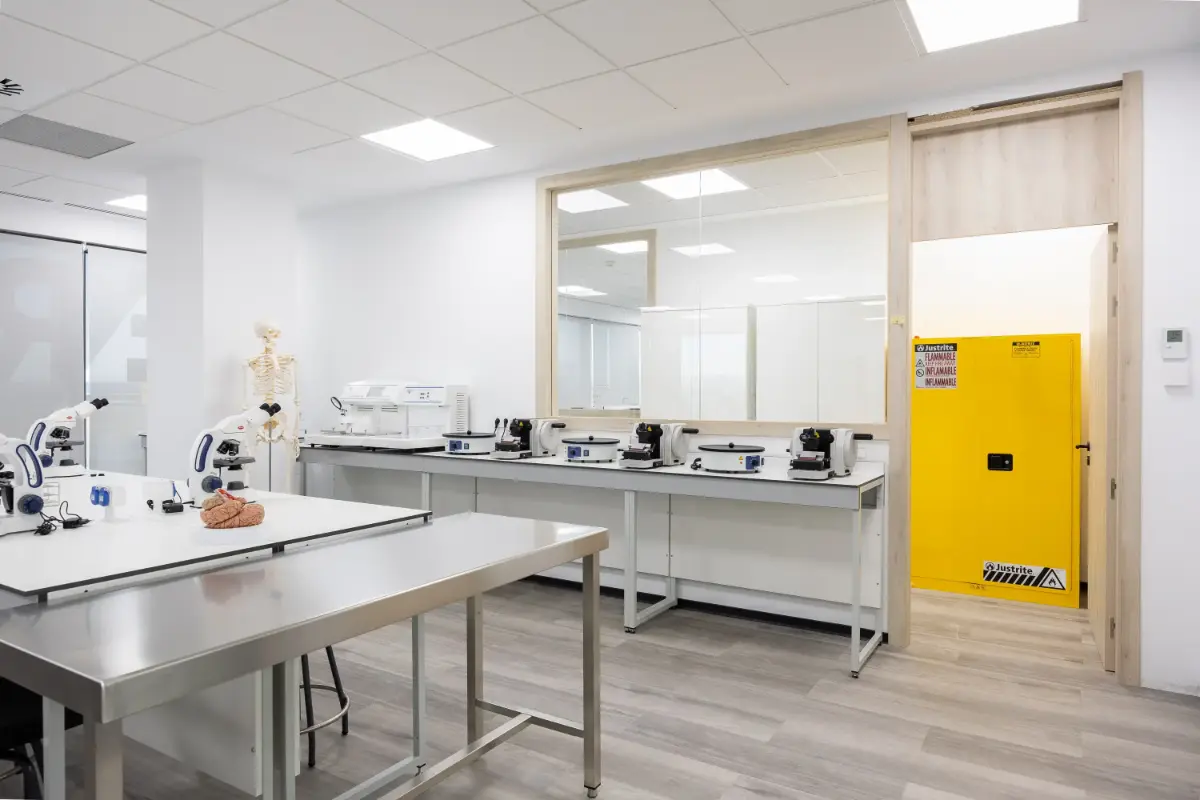
Pharmaceutical laboratories
Highly specialized spaces where the construction must comply with GMP standards, guaranteeing critical facilities for climate control, gases, and technical electricity.
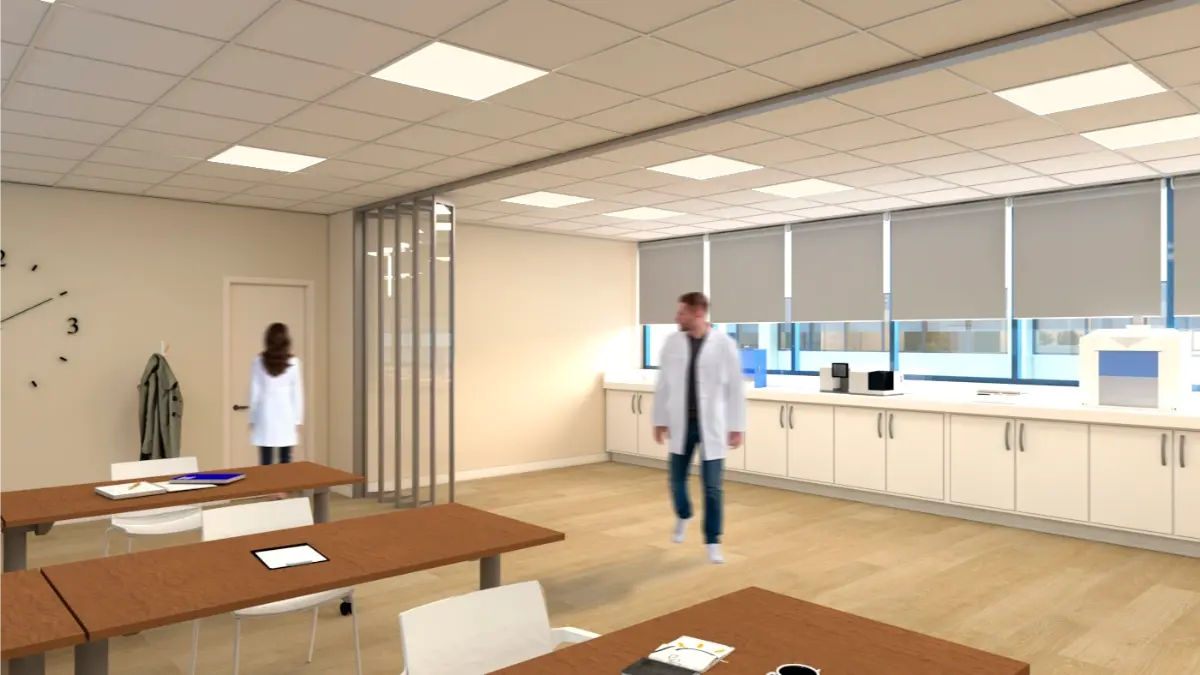
Research and R laboratories
Flexible projects that integrate areas for experimentation, prototyping, and scientific coworking, with technical finishes that facilitate innovation.
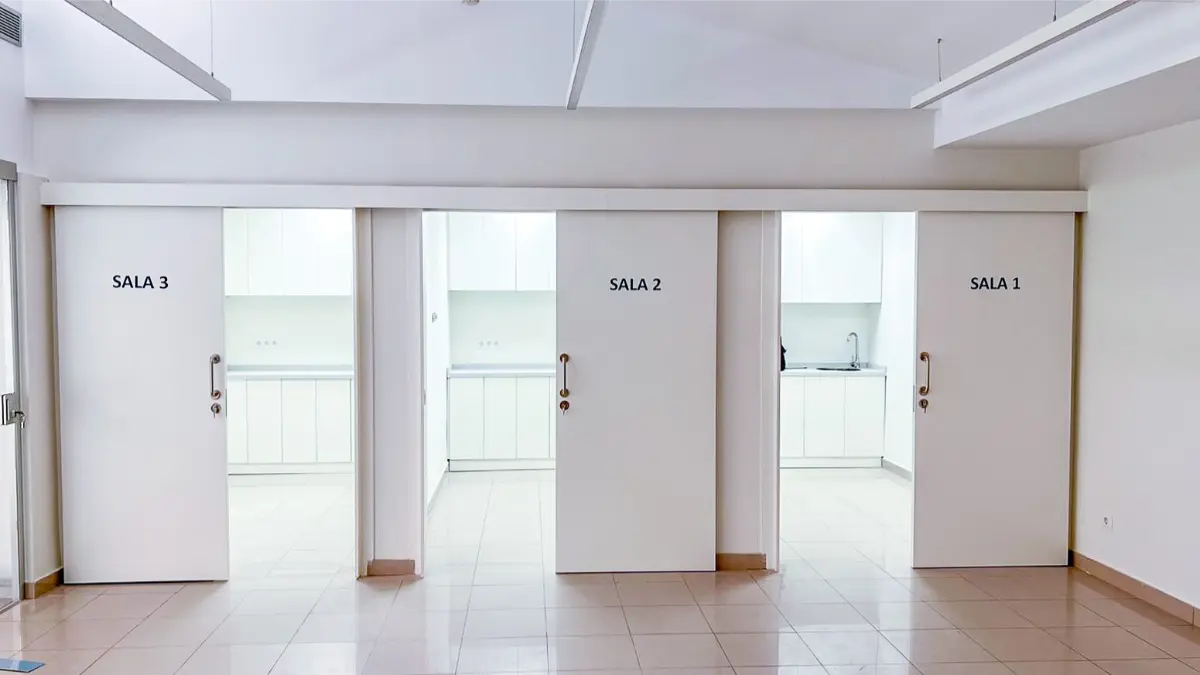
Clinical and diagnostic laboratories
Facilities with controlled flows and hygienic materials that ensure safety, process speed, and regulatory compliance.
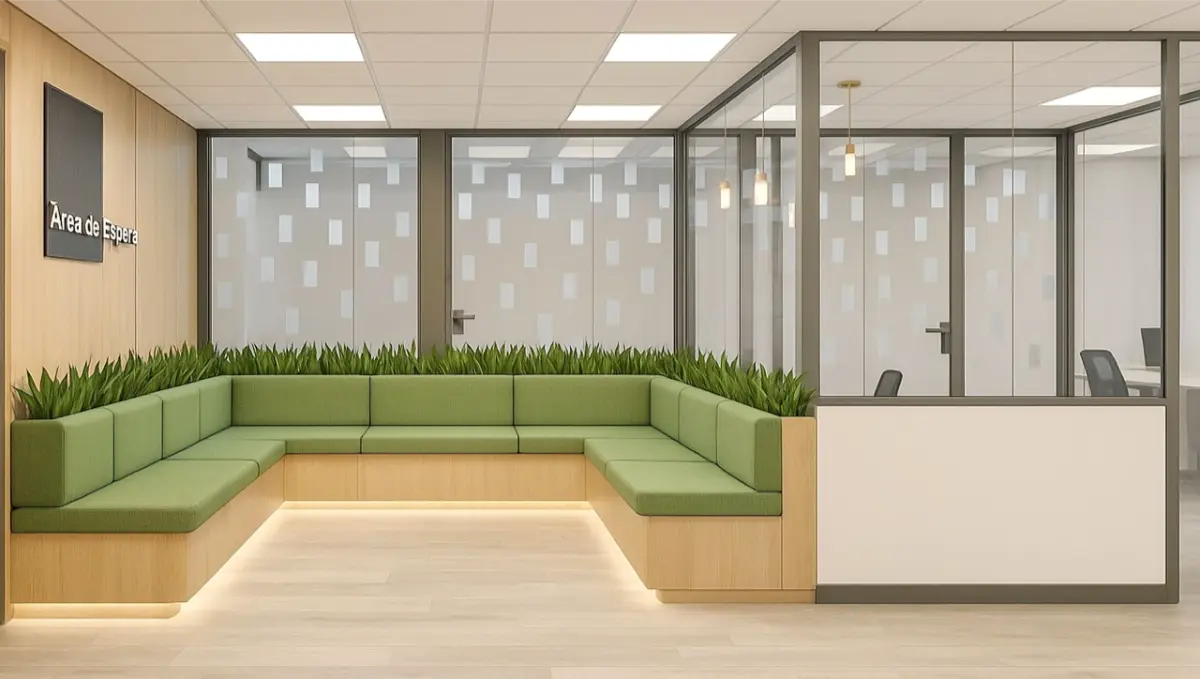
Common areas in laboratories
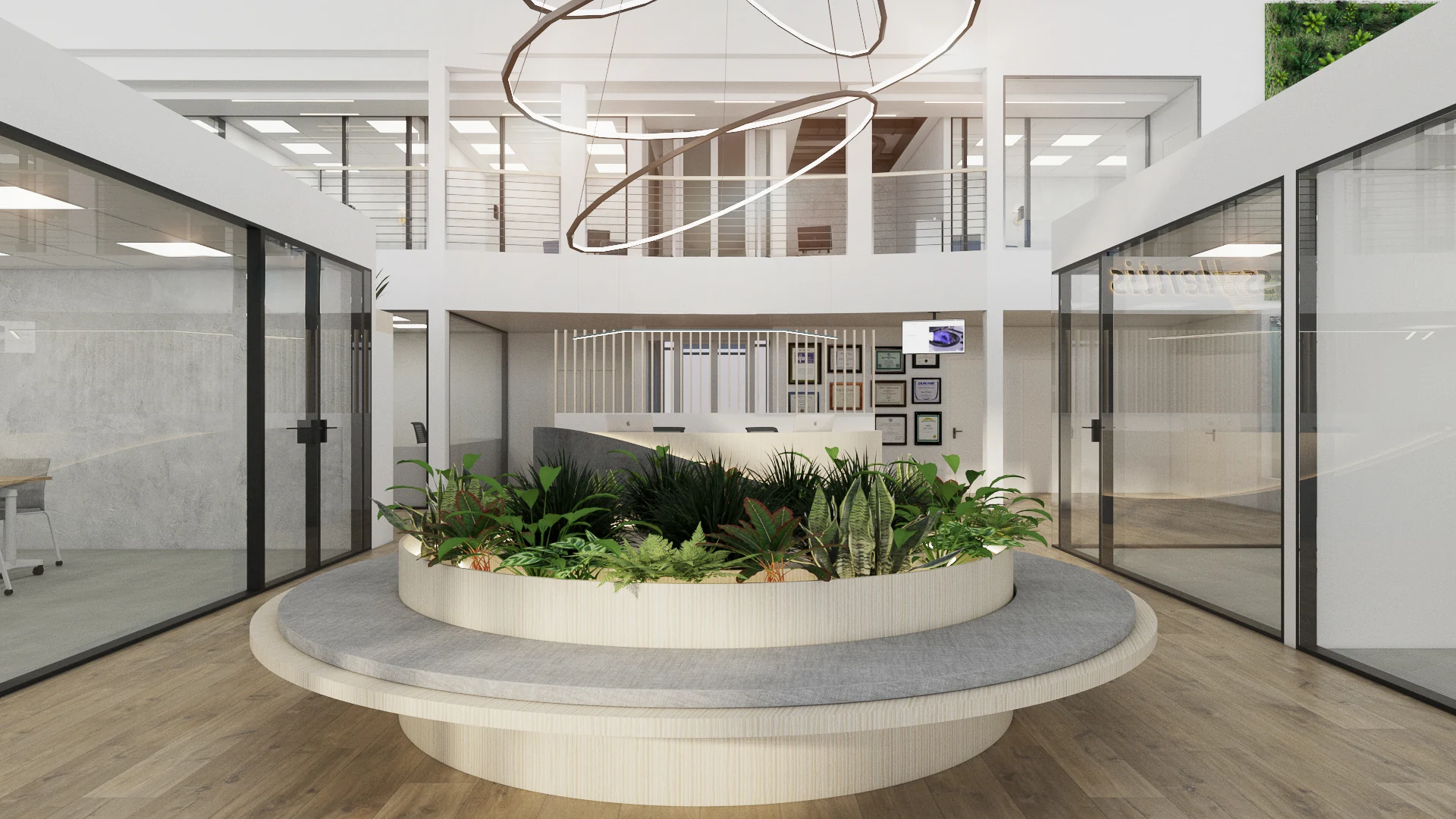
Support areas such as lobbies, corridors, changing rooms, break rooms, or dining rooms, designed with hygienic materials, continuous flooring, and adequate ventilation to maintain safety standards.
Expertise in
Laboratories
Design of Laboratories
Planning of flows and spaces
Organization of people, materials, and data, guaranteeing segregation of clean and contaminated zones.
Specialized critical facilities
Precision climate control, special gases, technical electricity, and risk containment systems.
Technological integration
Home automation and automation for centralized management of climate, access, and security.
Regulatory compliance
Experience in GMP, ISO, and BREEAM standards, ensuring successful audits.
Sustainable and resilient design
Energy efficiency and responsible materials that extend the asset's life cycle.
Construction and Work Management of Laboratories
Critical facilities
Integration of high-precision HVAC with HEPA filtration, special gases (nitrogen, oxygen, argon, CO2), technical electricity, and high-purity plumbing.
Custom technical furniture
Manufacture and installation of tables, ventilated cabinets, and fume hoods in resistant materials such as phenolic resin, Krion, or stainless steel.
Safety and containment
Rooms with positive/negative pressure, access airlocks, biosafety cabinets, gas leak alarms, and energy redundancy.
Hygienic materials
Continuous and conductive flooring, antibacterial coatings, sealed joints, and easy-to-clean finishes.
Fast-track execution with quality validation
Fast works with IQ (Installation Qualification)/OQ (Operational Qualification)/PQ (Performance Qualification) validations that allow compliance with deadlines and certifications such as ISO, GMP, or GLP.