Educational spaces
Trends that transform educational spaces
Education evolves with society: educational centers are no longer just places of learning, but spaces that enhance innovation, creativity, and well-being of students and teachers.
A comprehensive approach to the future of education
Educational spaces must anticipate new methodologies and social needs.
Designing and building for education is creating resilient infrastructures that enhance innovation, accessibility, and well-being, ensuring a positive impact on students, teachers, and the community.
Main Types of Educational Spaces
Universities and University Campuses
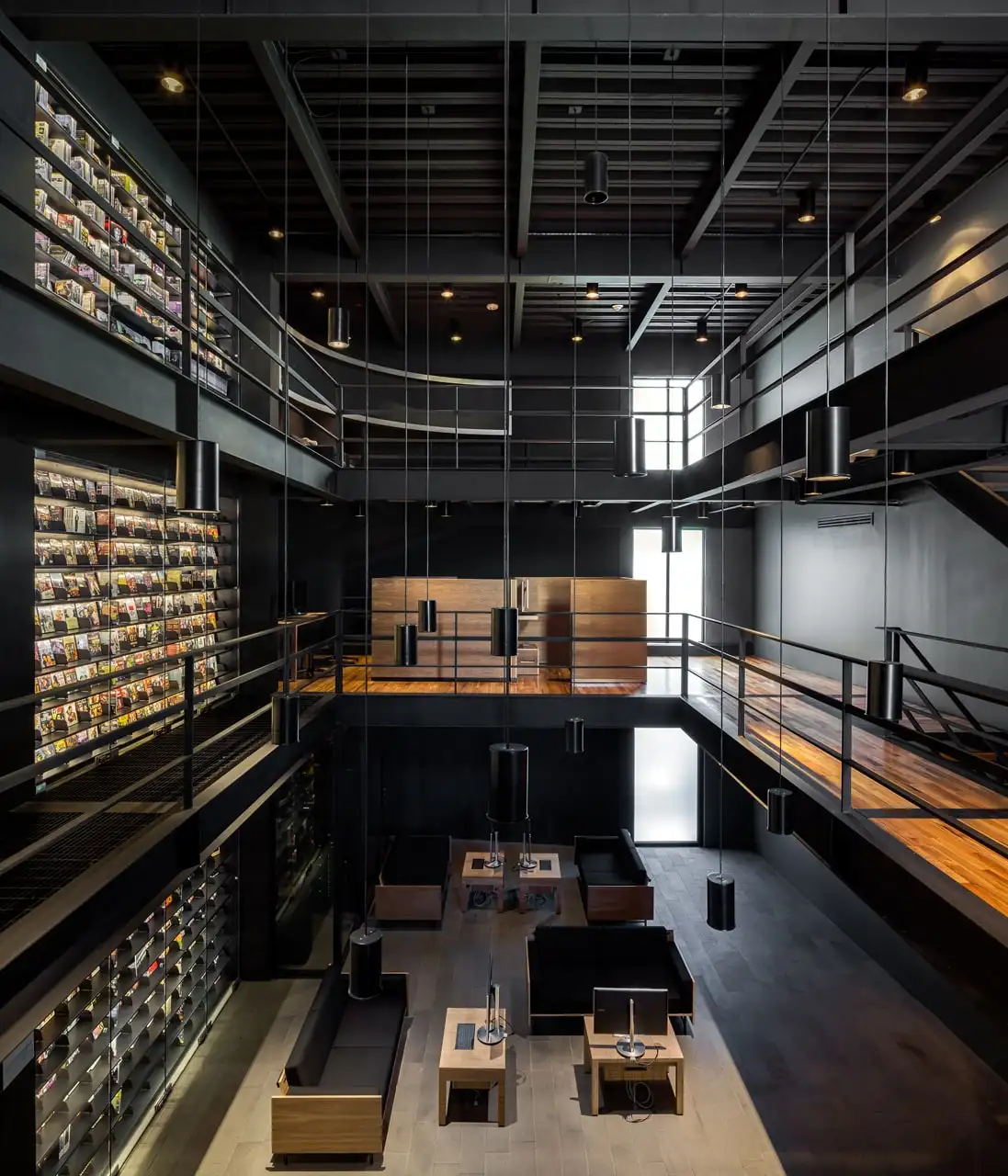
Large-scale works that integrate classrooms, libraries, laboratories, and residences, with modern and sustainable infrastructures that reinforce academic positioning.
Vocational (FP) and Technical Training Centers
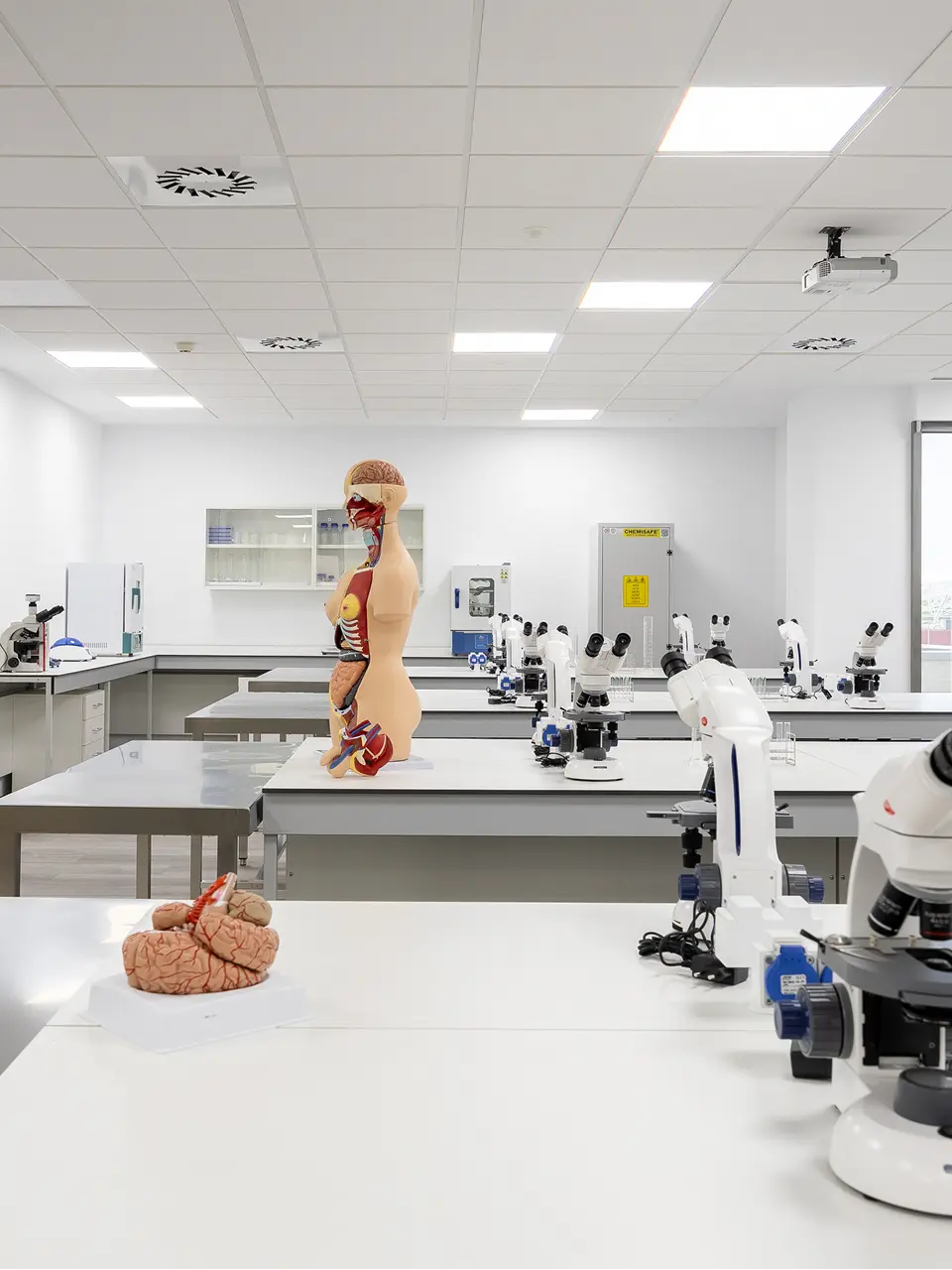
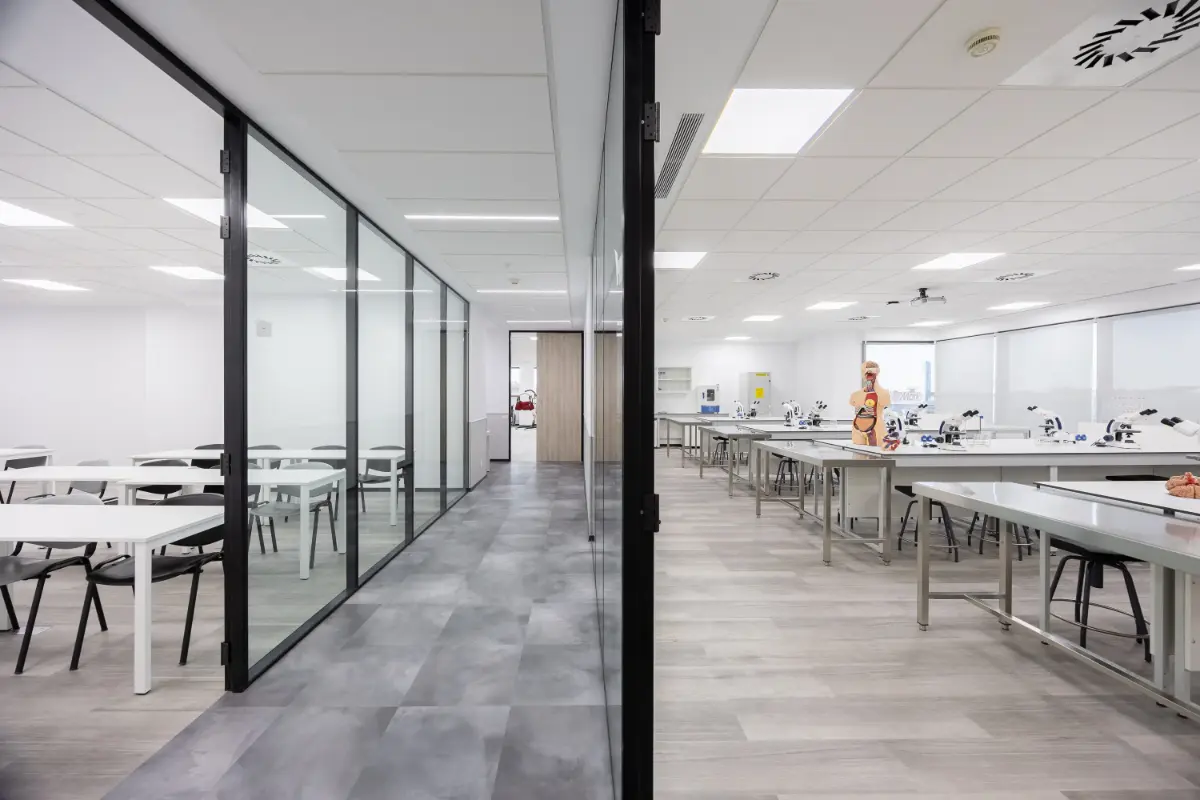
Spaces designed for practical learning, with specialized workshops, laboratories, and multi-purpose classrooms that support intensive use and technical equipment.
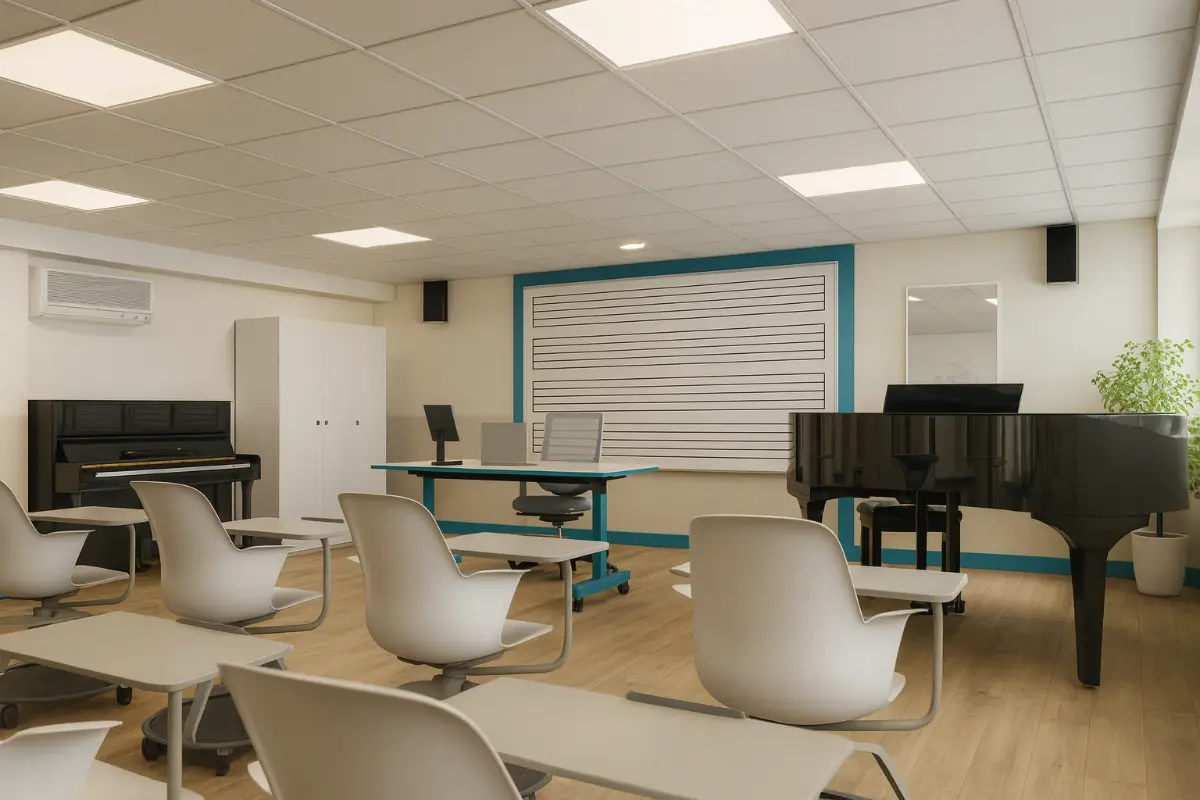
Schools
Projects focused on safety, accessibility, and durability, with solutions that guarantee a stimulating environment adapted to all educational stages.
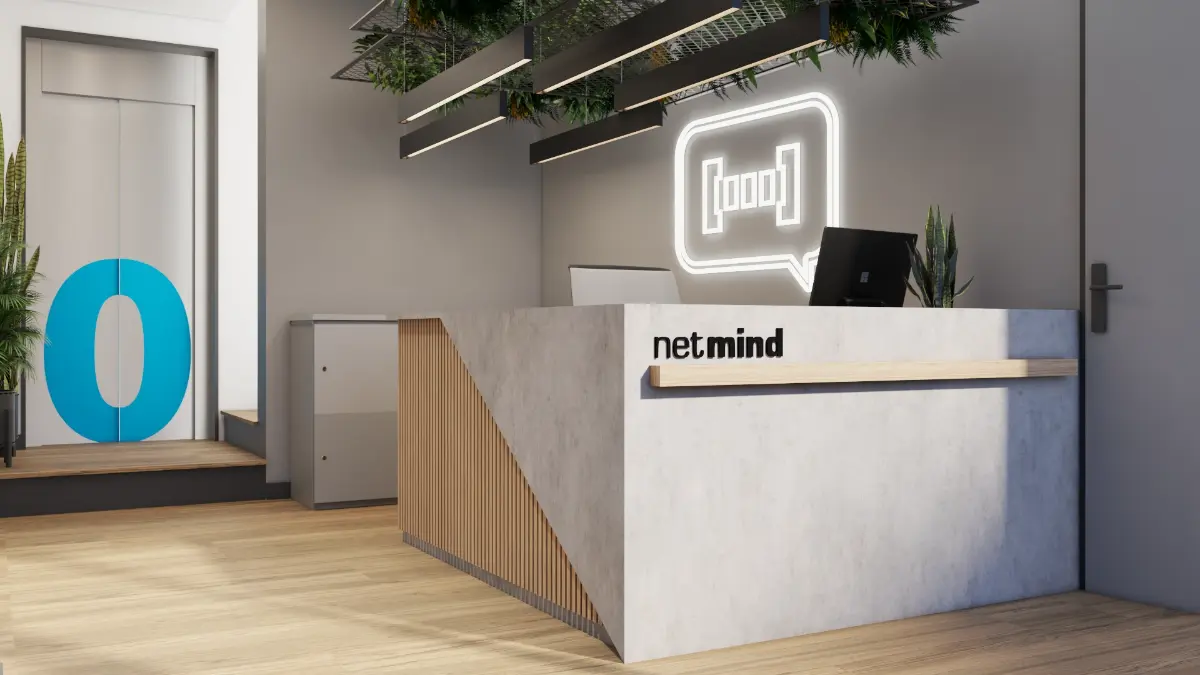
Innovation and Digital Education Centers
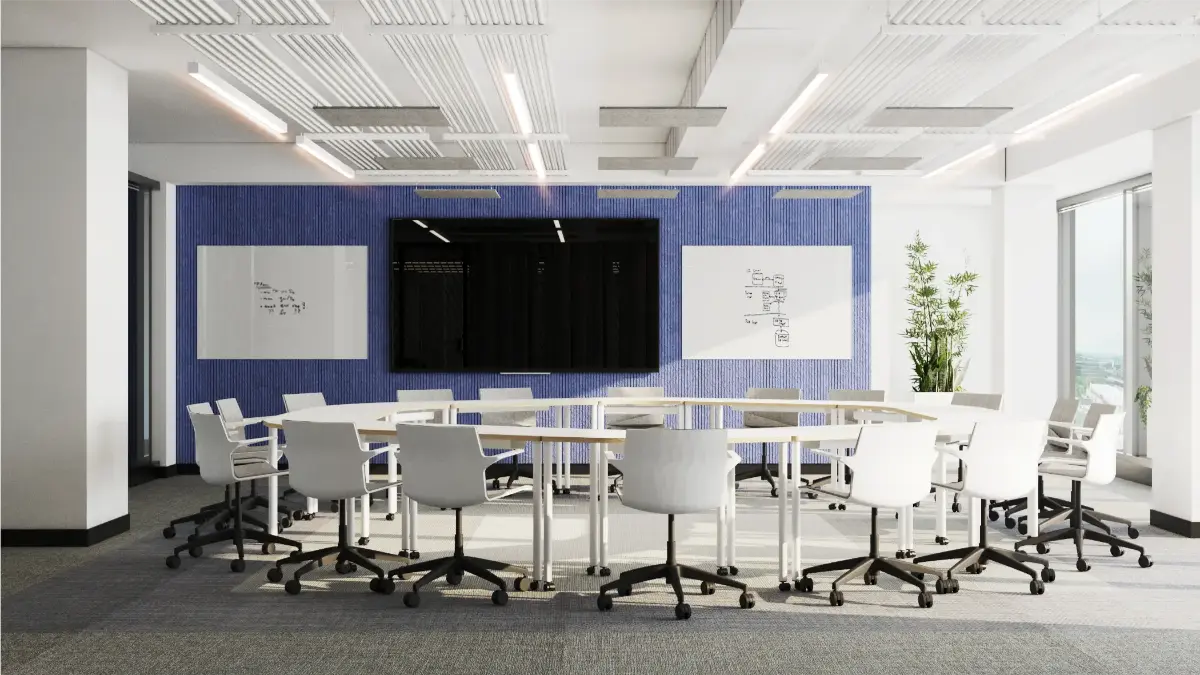
Facilities that prioritize connectivity, audiovisual resources, and classroom flexibility for hybrid or 100% digital teaching methodologies.
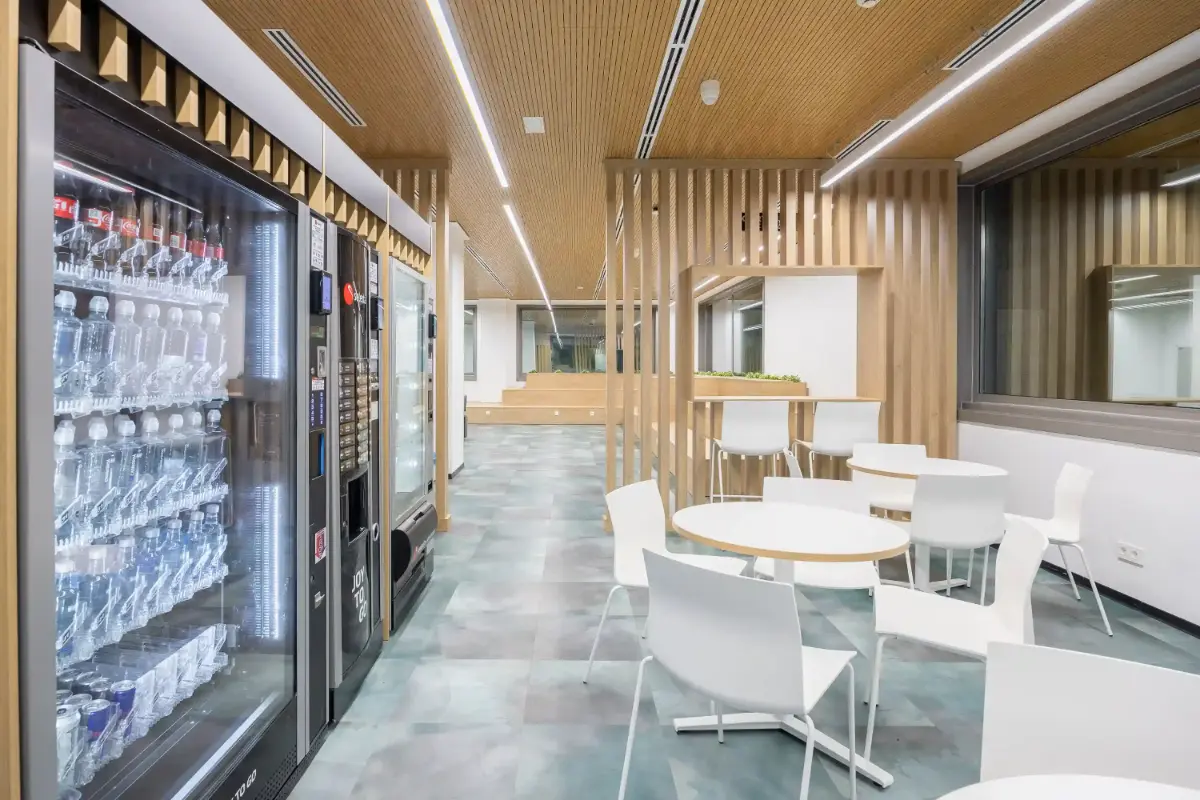
Educational common areas
Shared areas such as auditoriums, gymnasiums, courtyards, and dining rooms, executed with resistant materials and functional design to promote coexistence and well-being.
Expertise in
Educational Spaces
Interior Design of Educational Spaces
Modular and collaborative classrooms
Environments that favor active methodologies and rapid adaptations.
Innovation spaces
Libraries, laboratories, creative hubs, and academic co-working areas.
Design focused on well-being
Ergonomics, acoustic comfort, and natural light to improve the experience of students and teachers.
Integration of educational technology
Digital solutions, advanced connectivity, and hybrid classrooms.
Inclusive and accessible environments
Universal design that guarantees the participation of the entire community.
Construction and Work Management of Educational Spaces
Fast-track implementations
Execution in tight deadlines that minimize interruptions in academic activity
Integration of critical facilities
Electricity, air conditioning, ventilation, data, and audiovisual networks designed to support high user density and intensive use of technology.
Resistance and durability of materials
High-traffic flooring, aluminum or PVC carpentry, washable coatings, and fixed furniture.
Acoustic treatment and interior comfort
Classrooms and auditoriums with sound-absorbing panels, acoustic ceilings, and airtight carpentry.
Net-zero campus
Buildings that reduce the carbon footprint through renewable energies, recycled materials, and energy efficiency