


In the last decade, society and the market have undergone profound changes that have modified customer demands, the way of working, and the needs of companies. Many of these changes have been driven by technological advances, which will continue to transform all areas of our lives, including work.
We have become accustomed to using smartphones, we drive smart cars, and we are starting to introduce home automation systems into our homes. And in the office… what changes can we expect?
Smart offices represent an evolution of the forms and culture of work in the office, implying an adaptation to current needs, implementing the available technology.
What are Smart offices like?
Offices with Smart technology seek efficiency and effectiveness from all possible angles, and that is why they focus the design of the offices on people, their needs when doing work, and their well-being.
Open spaces and the end of offices, in addition to saving costs in wasted square meters, allow the creation of new spaces, such as common areas in which to work developing synergies, with common objectives, and promoting decision-making. They also allow the creation of different areas, such as relaxed rooms with comfortable environments, to respond to the needs of workers, and help them reach their maximum potential.
Ergonomics and the adaptation of furniture to people -and not vice versa- is one of the key points of Smart offices. That is why all the elements are focused on the well-being of the workers, from the tables and chairs, to the entrances of natural light, the air conditioning, etc.
Flexibility is another of the keys to Smart offices, which increasingly offer autonomy to their employees to choose the work area that is most appropriate for them, or even to reconfigure an area if necessary. Therefore, the versatility of the furniture and the ability to reconfigure are essential elements. A Smart office can combine soft seating areas, work tables, meeting rooms, conference rooms, a cafeteria, and even an area for sports. In short, space is no longer defined based on hierarchy but is distributed based on activities.
New technologies in Smart offices
New technologies allow us to work almost anywhere, and in Smart offices technology plays a fundamental role simplifying tasks, facilitating relationships and day-to-day management.
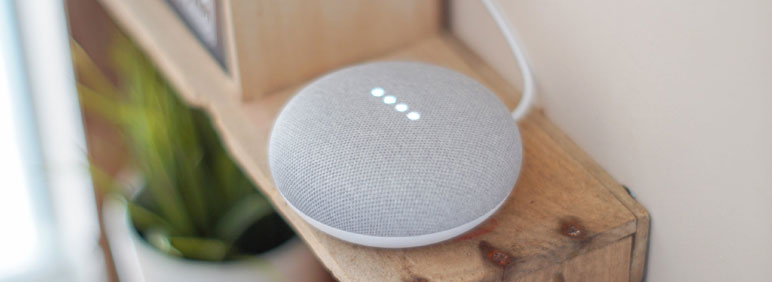
The use of home automation elements applied to the office is common, such as the automation of air conditioning systems, the regulation of lights, and even access control. But also the intensive use of specific systems, such as audio conferencing devices that improve the quality of calls, the use of large screens that allow video conferences almost in real size, room reservation devices, etc.
Smart offices seek to attract and maintain human talent, and help it develop to its fullest potential within the company. They generate a pleasant and functional environment that transmits the values of the brand and enhances the feeling of belonging.
Would you like to work in an office with Smart technology?