


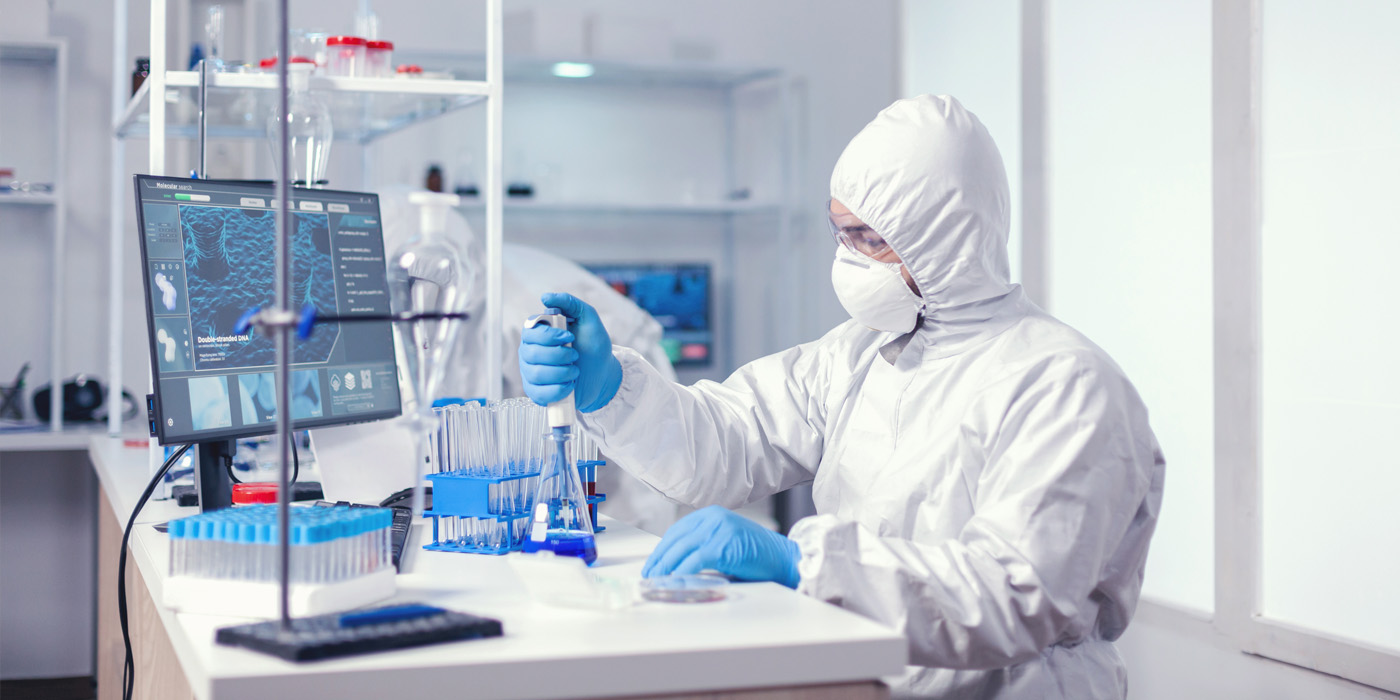
Pharmaceutical companies, laboratories, and biotechnology companies are renovating their facilities (both production and offices) to increase their productivity and exceed their business objectives.
They are committed to greater technological integration, which facilitates remote work, as well as more flexible and agile spaces that allow greater collaboration between teams, while improving the well-being and safety of their employees. All this, taking into account standards that are respectful of the environment.
From Grupo Cador, we offer a brief summary of current trends when distributing, designing, building and equipping a modern laboratory:
1. Collaborative design
The creation of common spaces, such as conference rooms and rest areas, as well as the implementation of collaboration technologies, such as interactive screens and video conferencing systems, promote collaboration and synergies.
2. Flexibility and modularity
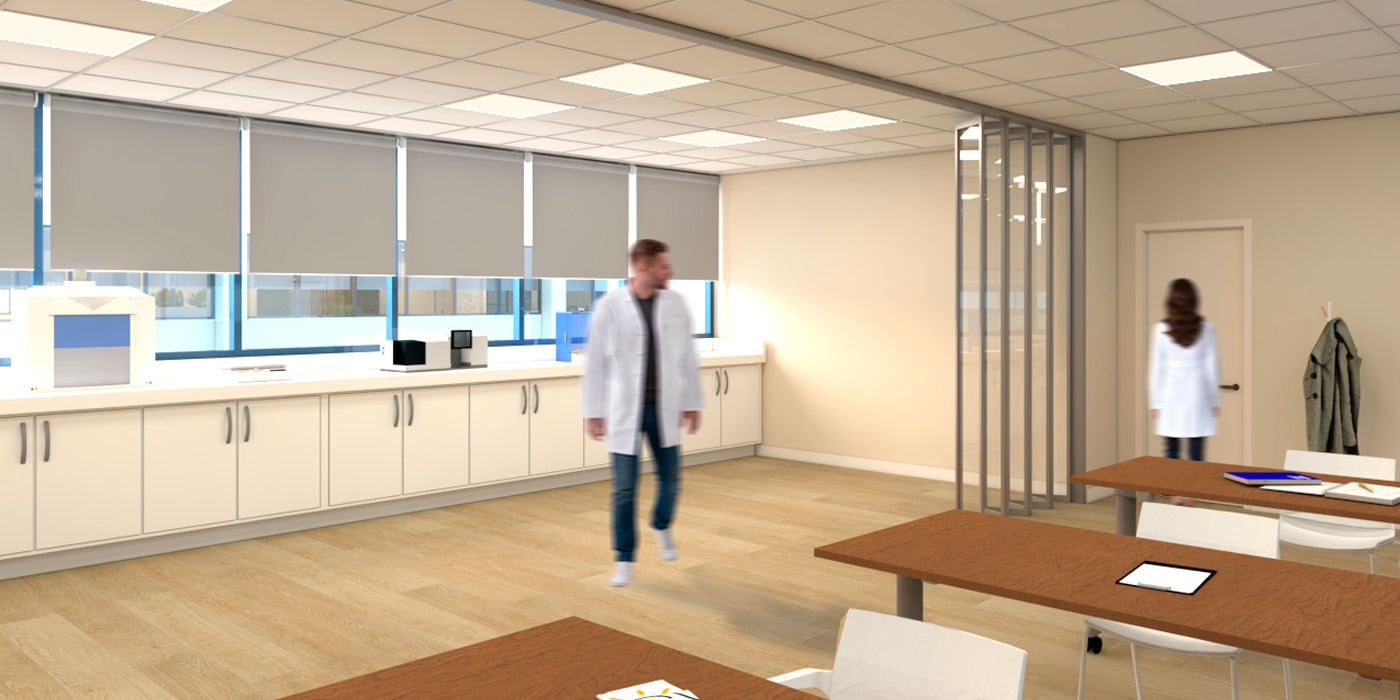
Increasingly, laboratories are designed to be highly flexible and modular in order to easily adapt to the changing needs of the laboratories themselves. The use of mobile wall systems and modular furniture makes it possible to reconfigure the space at will for different projects and teams.
3. Sustainability
In recent years, sustainability has become a key factor in the planning and construction of all types of buildings, including laboratories. The adoption of sustainable practices can help reduce environmental impact, improve energy efficiency and reduce long-term costs. This includes the selection of sustainable materials, the use of renewable technologies, the maximization of energy efficiency in lighting and air conditioning, and the planning of an efficient water management system.
4. Security
Safety is an important concern in any laboratory, especially when it comes to working with hazardous materials and products. Therefore, laboratories must include appropriate measures, such as secure storage areas, effective ventilation and emergency systems, or fire detection.
5. Connectivity and mobility
Laboratories are designed to provide seamless connectivity and mobility. This is achieved through the implementation of high-speed networks, high-speed internet access, and the incorporation of mobile devices and mobility technologies to enable access to data and tools from anywhere. This allows for greater efficiency and collaboration, as well as greater flexibility for workers, who can access data and tools from anywhere, at any time.
6. Accessibility
The incorporation of ramps, elevators and escalators, as well as the implementation of assistive technologies, such as screen reading software and sound amplification systems are some of the improvements that can be made in laboratories in terms of accessibility for people with visual and hearing disabilities. Not only does it improve the experience of these employees, but it also helps to promote an inclusive environment for the rest of the laboratory users.
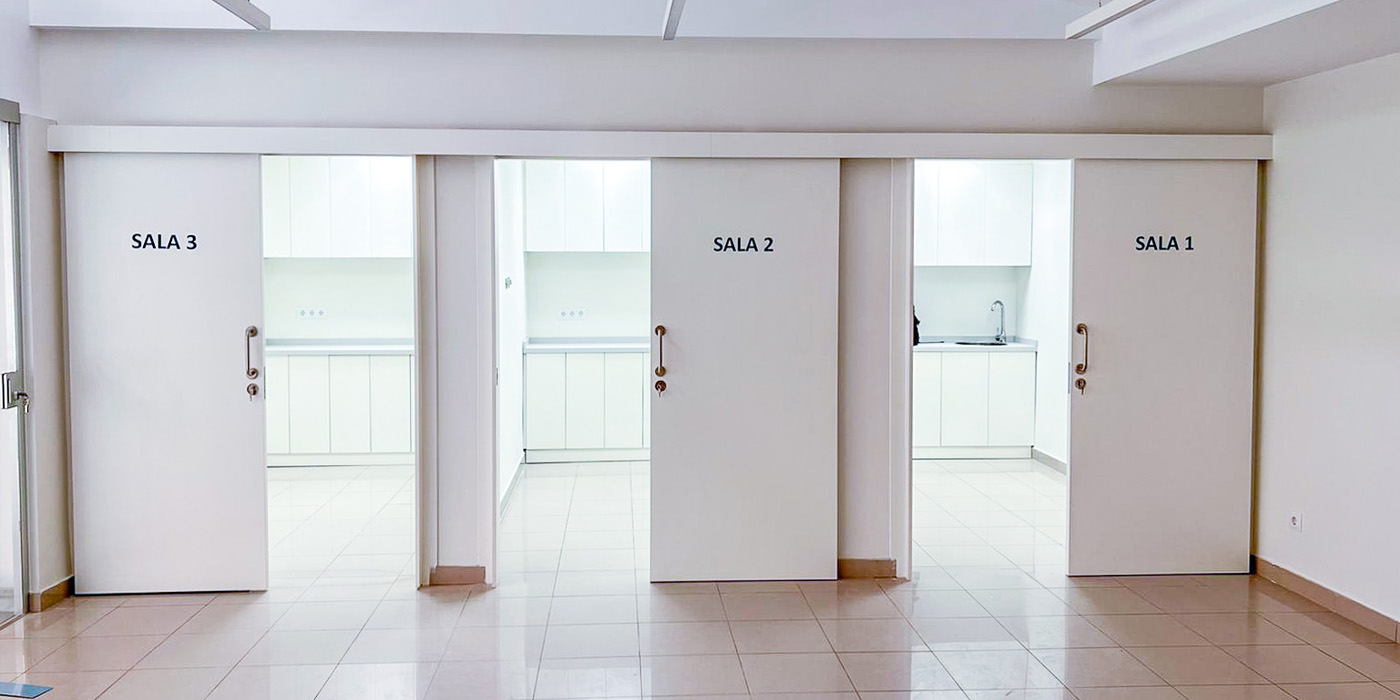
It is important to work with a team of professionals specialized in laboratories to ensure that all necessary regulations and requirements are met, and to ensure that the best performance is obtained from the available space. With a planned and well-thought-out approach, companies can improve their research, development and production capacity and increase their competitiveness in the market.