


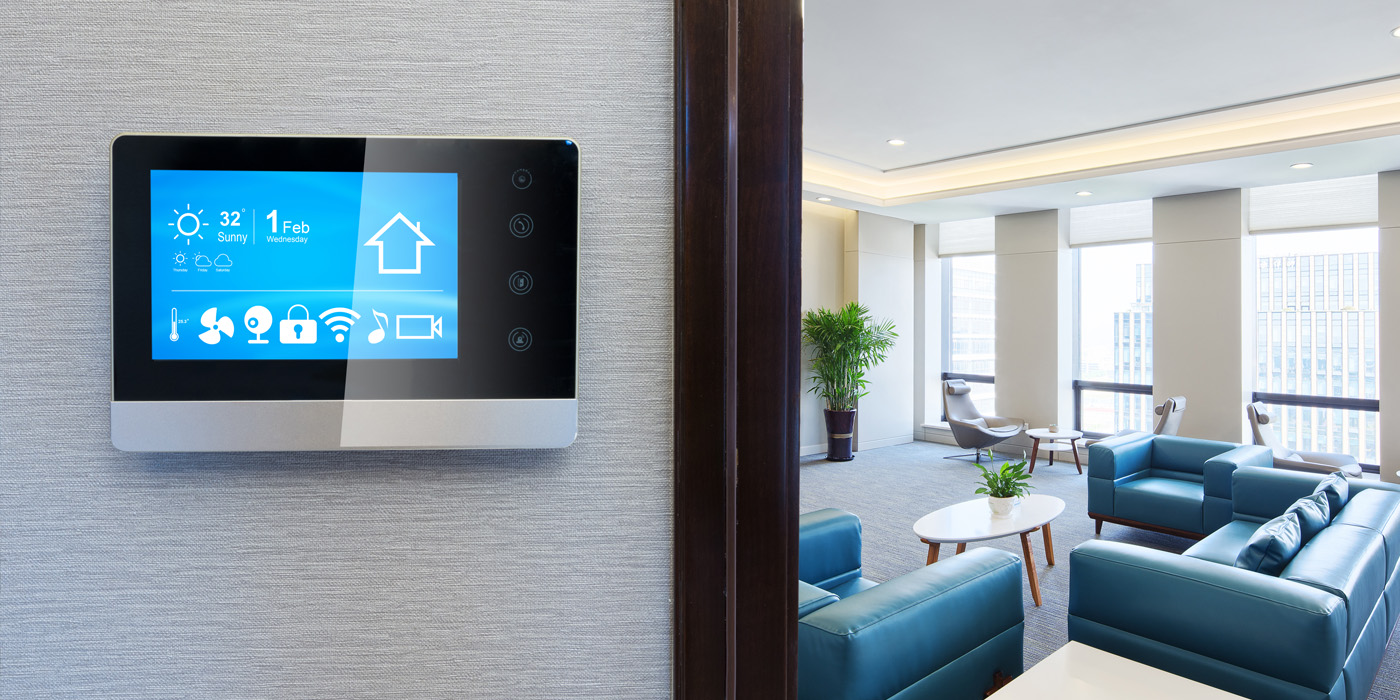
The combination of sensors, IoT, and AI can exponentially increase employee well-being.
Technology makes our lives more comfortable and simplifies many of the tasks and actions we do daily: a door that opens as you pass, car headlights that turn on automatically when it gets dark, the room temperature always suited to the situation.
These are actions that we have enjoyed for a long time thanks to the invention of sensors, but when we equip these sensors with IoT technology (Internet of Things), we obtain a higher level of well-being: a refrigerator that detects the food that has run out and places an order, an app that allows you to turn the heating on or off if you forgot to program it beforehand, a robot vacuum cleaner that recognizes your house to do the best cleaning without falling down the stairs…
And if we add the AI layer (Artificial Intelligence), the experience increases exponentially: when entering the house you request your favorite music, you take photos as if you were “almost” a professional, you obtain information that interests you and it increasingly adjusts better to your preferences, or your language learning program adapts to your level and progress in learning.
.
Well-being and Efficiency
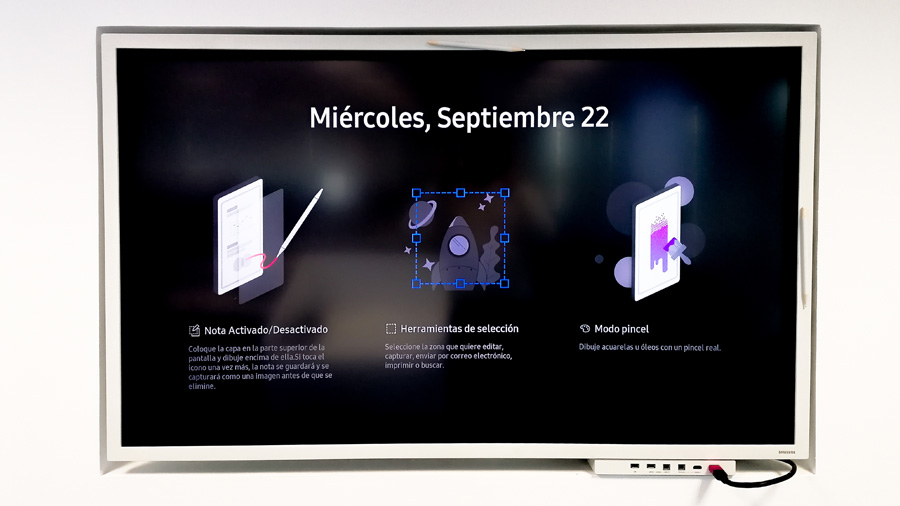 We do not want to lose this well-being that we incorporate into our private lives when entering our companies, which are increasingly concerned that employees feel at home or even better. But they must do it in an efficient and balanced way, compensating investment and benefit.
This is perfectly compatible, because this entire technological ecosystem can provide this benefit if it is well managed: knowing the influx that a meeting room or a bathroom has had can allow you to optimize the cleaning service, knowing the temperature and amount of lighting measurements and managing it with AI can adjust the climate and the monitoring of the blinds to obtain the lowest consumption.
With good management it is easy to reach this balance, but how is this management done? The Facility Managers know a lot about this, they are the magicians who make this almost imperceptible technology work correctly for those who enjoy it.
Technological revolution
The role of Facility Managers is key, for example, when monitoring indoor air quality, a traditional element in building management that has been highlighted as a result of Covid-19. Companies have a duty to ensure that the air breathed by users of their offices is clean. This task usually falls to the Facility Manager who, thanks to the new technology available, accesses a greater knowledge of the state of air quality in a more agile way.
There are environmental sensors based on Cloud software and Big Data, which allow collecting information and measuring this indicator of employee well-being remotely and continuously.
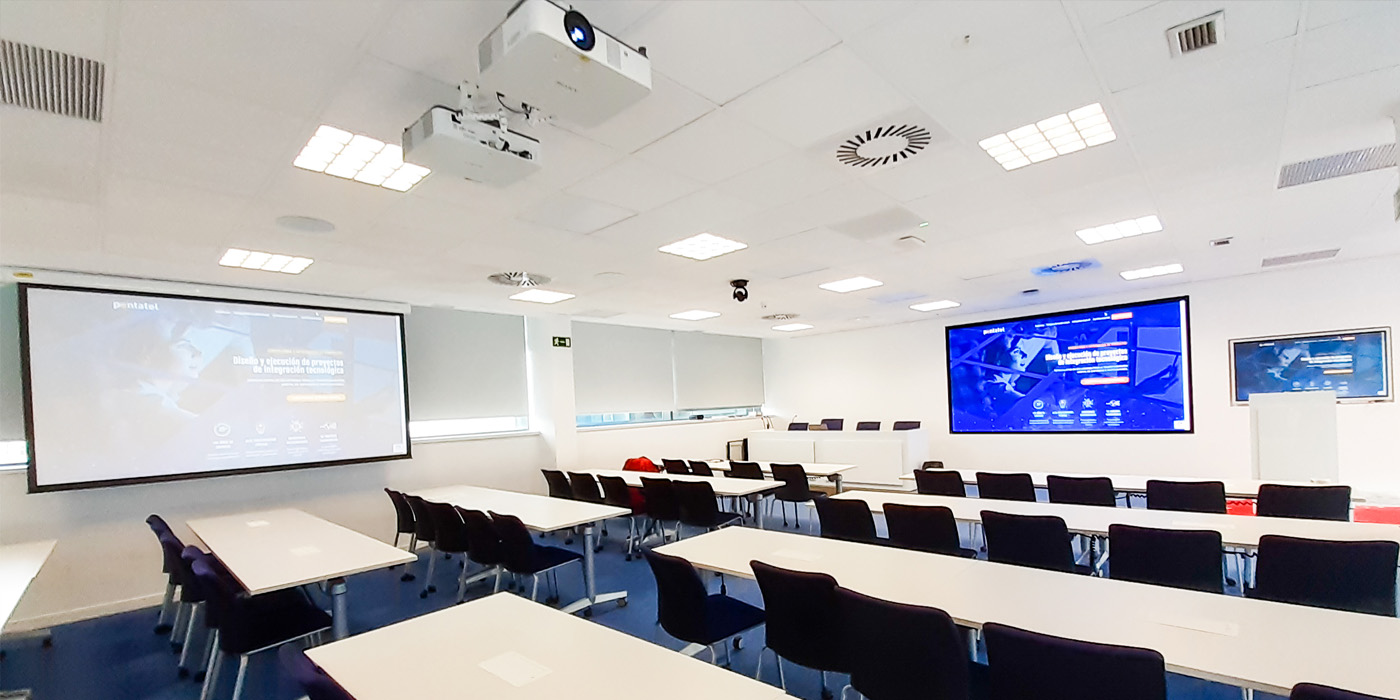
This is just the tip of the iceberg of the technological revolution in workspaces, where solutions such as contact-less systems for booking rooms, workstations, parking spaces or bicycles, check-in and check-out platforms, collaboration and video conferencing devices, interactive screens, beamforming tracking microphones, videowalls, digital signage proliferate…
Getting into the electric and autonomous car is no longer an option. Technological offices are not a matter of the future or a dispensable expense. It is a competitive advantage to make a more efficient management of your spaces and to ensure that employees work more comfortably.
You might be interested in: The key technology in the future of digital work